
The FruitGuys Community Fund is excited to share mid-year updates from our 2026 class of sixteen farm grantees across fourteen states! Earlier this spring, we awarded a total of $65,000 in grants to those small-scale farms. Those grants supported on-farm sustainability projects designed to protect natural resources, build climate resilience, and expand local food access.
From implementing time-saving irrigation systems to establishing native orchards and upgrading cold storage infrastructure, these resilient growers are making incredible strides. Here’s a closer look at the progress they’ve made so far on their projects, which are due by January 2027.
Choose a name from the list below, or read on to explore updates from all sixteen farms.
- Ashokra Farm in Albuquerque, New Mexico
- Filbert Street Garden in Baltimore, Maryland
- Finca Abundancia in Mayagüez, Puerto Rico
- Full Moon Farm Collective in Deep Gap, North Carolina
- Golden Organic Farm in Pinetops, North Carolina
- Gonzales Siemens Family Farm in Wasco, California
- Growing Ancestral Roots in Corvallis, Oregon
- Growing High Point in High Point, North Carolina
- Hourglass Tree Farms in Shirley, Arkansas
- McGruder Farms LLC in Sawyerville, Alabama
- Pinebrook Farms LLC in Rice, Virginia
- Pique Earth LLC in Detroit, Michigan
- Seminary Hill Farm in Delaware, Ohio
- The Lone Pine Farm in Dover-Foxcroft, Maine
- Wassamasaw Tribe Community Farm & Garden in Summerville, South Carolina
- WaterGirl Farm in Lincoln, Delaware
Ashokra Farm in Albuquerque, New Mexico
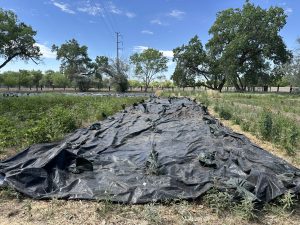
Ashokra Farm, an urban farm specializing in low-till vegetable production and growing fourteen varieties of okra, received a $3,390 grant to establish a fruit tree orchard and perennial food forest protected by drought-tolerant wind berms. The team is currently in the site preparation phase, using clear tarps to trap heat and suppress invasive tumbleweeds (a process called solarization) and planting summer cover crops of buckwheat. They plan to purchase soil amendments, compost, and fruit trees as temperatures cool in early autumn, with planting set for late September and early October.
Filbert Street Garden in Baltimore, Maryland
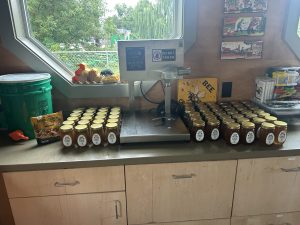
Filbert Street Garden addresses local food insecurity through its curbside pantry and relies on honey from its urban beeyard as its primary cash crop. With a $5,000 grant to upgrade post-harvest capabilities, the garden team acquired and installed an industrial honey bottling system and purchased a supply of glass jars. They put the equipment to work across two recent harvests, drastically cutting down on bottling time and labor, which allowed them to put more time and effort toward their other crops and hunger-relief mission.
Finca Abundancia in Mayagüez, Puerto Rico
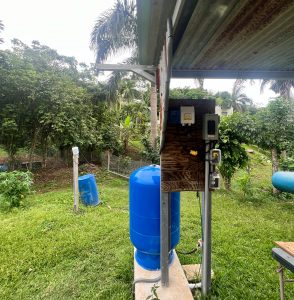
Finca Abundancia is a fully off-grid regenerative farm raising grass-fed cattle and tropical crops. Supported by a $5,000 grant, the farm installed a new shed housing solar panels, an inverter, batteries, and an electrical box to power its water well and also erected secure pasture fencing for its poultry. Inside the chicken run, the team planted fruit trees and herbs, resulting in healthier, safer flock foraging, increased egg production, and reduced feed costs. After an existing well pump failed post-installation, the farm successfully adapted by relocating the electrical control panel and installing an additional pressure tank.
Full Moon Farm Collective in Deep Gap, North Carolina
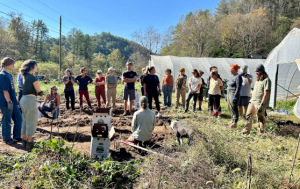
Full Moon Farm Collective utilizes regenerative, no-till practices to cultivate produce in the Blue Ridge Mountains. We awarded the collective $2,700 to restore an acre of flood-damaged creek bank following Hurricane Helene. When they realized that local bulk compost suppliers were temporarily closed, the team pivoted by purchasing potting soil, aged local horse manure, fertilizer, and a tiller and used those materials to generate three yards of nutrient-dense topsoil. They then planted native trees and medicinal perennials donated by their community members. So far, they’ve hosted two workshops and 32 volunteer workdays in the space.
Golden Organic Farm in Pinetops, North Carolina
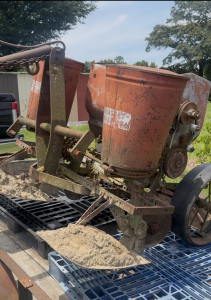 Golden Organic Farm utilizes silvopasture methods to integrate heritage livestock and fresh vegetable production. With a $5,000 grant, the farm is implementing regenerative infrastructure, including key tractor implements and livestock management equipment. So far, the farm team has sourced an antique two-row seeder and a 1-ton galvanized field feeder, which they’re retrofitting to suit their modern regenerative practices.
Gonzales Siemens Family Farm in Wasco, California

Gonzales Siemens Family Farm grows climate-hardy heritage grains, maize, and fruit trees in California’s Central Valley. We awarded the farm a $5,000 grant to finish adding components to a shared mobile seed cleaner. The farm used those funds to purchase and test the auger system and screen cleaner units. The mobile seed cleaner is now up and running and directly serving six regional farms! While it operates, the team is working to refine the engineering so that it can handle both smaller seed batches and larger grain volumes.
Growing Ancestral Roots in Corvallis, Oregon
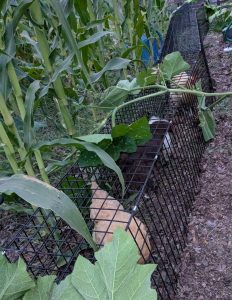 Growing Ancestral Roots grows culturally significant heirloom produce for 88 immigrant and refugee families. It received a $5,000 grant to construct a chicken tunnel (a.k.a. “chunnel”) system across three community gardens. The team overcame initial vendor shipping delays and successfully installed the first set of chunnels. The protected tunnels allow the flock to provide natural pest control without damaging garden beds, while tall corn and squash plants provide crucial natural shade and cool air for the birds.
Growing High Point in High Point, North Carolina
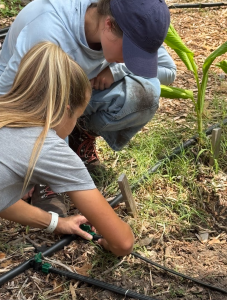 Growing High Point transforms vacant urban lots into productive gardens to fight local food insecurity. Using a $2,084 grant, the organization purchased and installed drip irrigation systems—complete with drip tape, sub-mains, valves, and automated timers—across six garden sites. The automated setup has already eliminated hours of daily manual hand-watering, allowing farm managers to dedicate more time to crop management and direct mentorship for 16 FarmHERs and youth staff. ducing runoff and saving growers roughly eight hours of labor per week.
Hourglass Tree Farms in Shirley, Arkansas
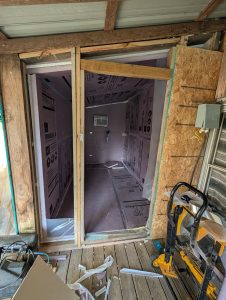
Hourglass Tree Farms uses Korean Natural Farming techniques to grow produce without synthetic inputs. Supported by a $5,000 grant, the farm team built an 8 × 10-foot walk-in cooler, complete with rigid foam insulation, vapor barriers, an air conditioning unit, and a calibrated CoolBot temperature controller. This infrastructure extended the shelf life of the farm’s crops from a few days to 2–4 weeks, cutting down on post-harvest loss and ensuring consistent, high-quality produce delivery to hundreds of local customers.
McGruder Farms LLC in Sawyerville, Alabama

McGruder Farms relies on organic and regenerative practices to cultivate specialty crops, berries, and medicinal herbs. We awarded the farm a $5,000 grant to acquire washing, packing, and freeze-drying equipment. So far, the farm team has purchased new harvest tools and storage bins, with more equipment purchases to come. These additions have already streamlined harvesting workflows and produce handling across their fields.
Pinebrook Farms LLC in Rice, Virginia
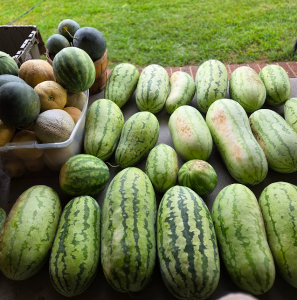 Pinebrook Farms is a biodiversity hub producing organic vegetables, hemp, and medicinal herbs. We awarded its team a $5,000 grant to support the installation of a solar-powered battery storage system to keep crop irrigation and climate controls running during local power grid outages. We’re awaiting Pinebrook’s interim progress report and look forward to publishing an update soon.
Pique Earth LLC in Detroit, Michigan
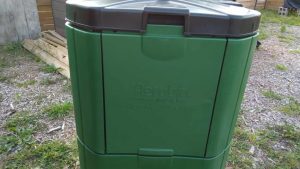
Pique Earth is an urban farm using chemical-free methods to grow brassicas, greens, and mushrooms. With a $2,650 grant for non-toxic wildlife management and food preservation, the farm team purchased four Solar Food Dehydrators (which they’ll use to process their upcoming Bambara bean harvest) and installed an enclosed 113-gallon composter to keep critters out of their garden waste. They also plan to install electric fencing as soon as they finish repairing an existing perimeter fence damaged in a car crash.
Seminary Hill Farm in Delaware, Ohio
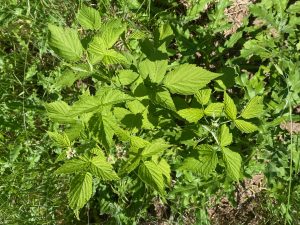 Seminary Hill Farm uses agroecology to supply produce to community-supported agriculture program members and regional food banks. Using the $2,135 grant we awarded them to build a 0.2-acre food forest, the farm team planted and protected food forest trees and established herbaceous perennial beds. While early bramble plantings were lost due to a volunteer error, the team adapted and has already engaged 20 volunteers and 100 tour visitors in the food forest work.
The Lone Pine Farm in Dover-Foxcroft, Maine
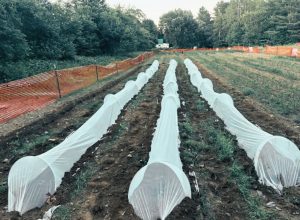
The Lone Pine Farm operates a chemical-free, minimal-tillage market garden in New England. Supported by a $1,999.99 grant for season-extension and harvest tools, the farm team purchased crop netting, a greens bubbler, and reusable harvest crates. That equipment has already made a big impact! The crop netting successfully protected the farm’s cucumber and pumpkin plants from squash beetles, delivering a healthy harvest, while the new greens bubbler helped the team wash approximately 60 pounds of fresh lettuce. The reusable harvest crates also streamlined market transport.
Wassamasaw Tribe Community Farm & Garden in Summerville, South Carolina
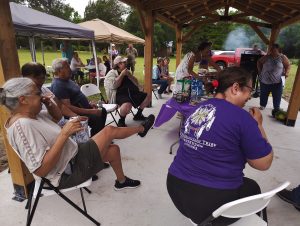
Located on ancestral land, the Wassamasaw Tribe Community Farm & Garden is building permanent agricultural infrastructure rooted in Indigenous stewardship. We awarded the farm a $5,000 grant to create a community orchard and pollinator habitat. So far, the tribe has hosted a community meeting with 50 tribal citizens to select fruit varieties (figs, blueberries, muscadines, pears, and persimmons) and worked with a College of Charleston consultant to design a comprehensive planting guide. They’ve also completed soil testing and irrigation planning and are preparing for fall planting.
WaterGirl Farm in Lincoln, Delaware
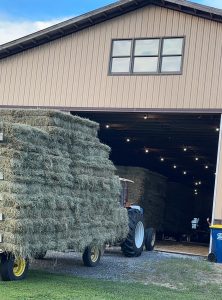
WaterGirl Farm utilizes organic and regenerative practices to raise chickens for eggs, sheep, berries, herbs, and flowers. We awarded the farm a $5,000 grant to install a 1,100-square-foot concrete pad inside its primary barn, which will replace a dirt floor to create a sanitary, washable workspace for honey extraction, berry processing, and machinery maintenance. Moving operations onto a clean surface will also elevate food safety, prolong the life of the farm’s equipment, and establish a safe space for community harvesting demonstrations. The farm is currently on a contractor waitlist to begin construction.
Final Thoughts
We’re continuously inspired by the resilience and creativity our grantees bring to sustainable farming. From overcoming logistical challenges to finding innovative ways to support their local communities, these farms are building lasting resilience.
Want to Stay Up-to-Date on These Projects?
To follow the progress of our farm grantees as they finish their projects, just sign up for our newsletter. We’ll send updates directly to your inbox.