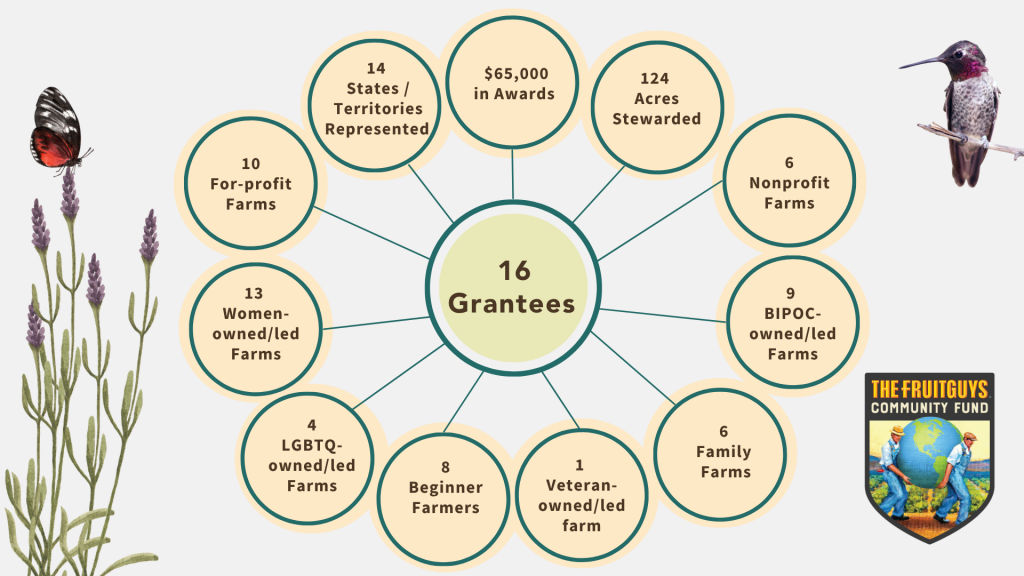
We’re thrilled to announce that The FruitGuys Community Fund has awarded grants totaling $65,000 to sixteen farms across fourteen states! Each farm will use its funds for a sustainability project designed to create a lasting, positive impact on the land. We’re proud to help our grantees build resilience through initiatives like seed saving, habitat restoration, and transitioning to solar power. This round marks an exciting milestone as we’ve expanded our reach to support farms in Delaware, Alabama, and Arkansas for the first time.
How We Chose Our Grantees
The FruitGuys Community Fund is a nonprofit, fiscally-sponsored project of Community Initiatives dedicated to supporting small farms and agricultural nonprofits that regenerate soil and bolster local food systems. A team of independent reviewers volunteered their time to hand-select each grantee. The rigorous process prioritized diversity in ownership, leadership, and farming types, ensuring each project aligned with long-term environmental and economic sustainability. This year, our team narrowed a record-breaking 493 applications down to sixteen final awardees, strategically allocating our $65,000 budget to maximize community impact.
Why These Grants Matter
“The 2026 class of grantees marks our fourteenth year of grantmaking, powerfully representing the critical role small-scale farms play in a diverse food system rooted in regenerating the planet and positively impacting communities,” said Sheila Cassani, project director and head of impact at The FruitGuys. “On behalf of The FruitGuys Community Fund and our grantees, I extend my deepest gratitude to all our generous donors and volunteer reviewers.”
Meet The 2026 Farm Grantees
- Ashokra Farm in Albuquerque, New Mexico
- Filbert Street Garden in Baltimore, Maryland
- Finca Abundancia in Mayagüez, Puerto Rico
- Full Moon Farm Collective in Deep Gap, North Carolina
- Golden Organic Farm in Pinetops, North Carolina
- Gonzales Siemens Family Farm in Wasco, California
- Growing Ancestral Roots in Corvallis, Oregon
- Growing High Point in High Point, North Carolina
- Hourglass Tree Farms in Shirley, Arkansas
- McGruder Farms LLC in Sawyerville, Alabama
- Pinebrook Farms LLC in Rice, Virginia
- Pique Earth LLC in Detroit, Michigan
- Seminary Hill Farm in Delaware, Ohio
- The Lone Pine Farm in Dover-Foxcroft, Maine
- Wassamasaw Tribe Community Farm & Garden in Summerville, South Carolina
- WaterGirl Farm in Lincoln, Delaware
Read on to learn more about the on-farm sustainability projects that our 2026 grantees will complete by the end of the year.
Ashokra Farm in Albuquerque, New Mexico
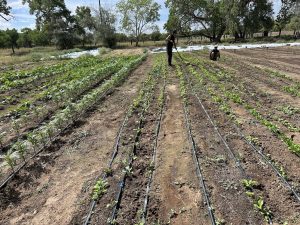 Ashokra Farm in Albuquerque, New Mexico, is an urban farm that grows fourteen varieties of okra and specializes in low-till vegetable production. Farming in the high desert, the team faces extreme spring winds that can reach sixty-five miles an hour, causing structure damage and topsoil loss. With a $3,390 grant, the farm will establish a fruit tree orchard and perennial food forest protected by drought-tolerant wind berms. These berms—raised mounds of earth and hardy plants—will act as a natural shield to protect the farm’s crops and help the soil retain moisture in a challenging climate.
Filbert Street Garden in Baltimore, Maryland
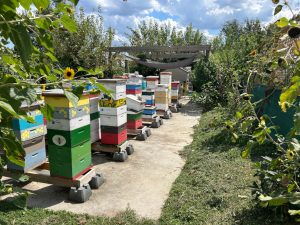 Filbert Street Garden is an urban farm in Baltimore, Maryland, that addresses local food access by giving away tons of produce and thousands of eggs through its curbside pantry. The garden’s primary cash crop is honey, harvested from one of the city’s largest beeyards. With a $5,000 grant, the organization will purchase an industrial honey bottling system and glass jars. This equipment will reduce bottling time by approximately 70%, increasing efficiency and helping the garden sell its honey to generate revenue that is reinvested back into its hunger-relief mission.
Finca Abundancia in Mayagüez, Puerto Rico
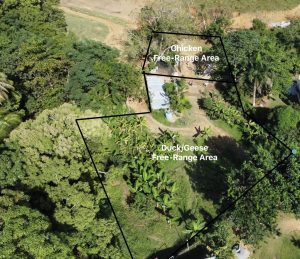
Finca Abundancia in Mayagüez, Puerto Rico, is a fully off-grid farm that uses regenerative methods to raise grass-fed cattle and tropical crops like breadfruit, guava, and papaya. Because island agriculture is highly vulnerable to hurricanes, the farm relies on self-sufficiency. With a $5,000 grant, the farm will install a dedicated solar system for its well and secure fencing for its poultry. This upgrade replaces fuel-hungry generators with renewable energy and allows chickens and geese to range safely on pasture, supporting better animal welfare and reliable food security.
Full Moon Farm Collective in Deep Gap, North Carolina
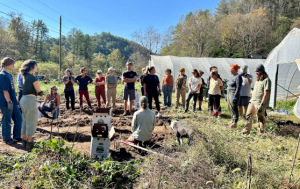
Full Moon Farm Collective in Deep Gap, North Carolina, uses regenerative, no-till practices to grow over twenty types of produce in the Blue Ridge Mountains. After the land was ravaged by floodwaters from Hurricane Helene in 2024, the farm set a goal to restore its natural buffers. With a $2,700 grant, the collective will restore one acre of creek banks and pasture with thirty native medicinal plants and fruiting trees. This restoration project will reclaim the land from invasive species, improve biodiversity by creating pollinator habitats, and return the area to its former use as a shaded outdoor classroom for community workshops.
Golden Organic Farm in Pinetops, North Carolina
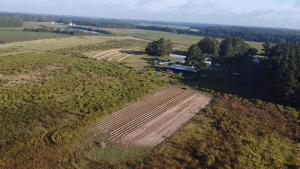 Located in Pinetops, North Carolina, Golden Organic Farm utilizes silvopasture—a method that integrates trees and grazing—to raise heritage livestock and fresh vegetables. With a $5,000 grant, the farm will invest in pasture seeds, a storage silo, and portable livestock shelters. These tools will allow the farm to implement rotational grazing, which builds organic matter in the soil. Just a 1% increase in organic matter can help the soil hold up to 20,000 additional gallons of water per acre, making the farm significantly more resilient against the extreme heat and drought common to the region.
Gonzales Siemens Family Farm in Wasco, California
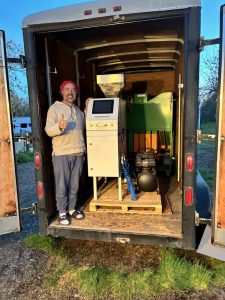 Gonzales Siemens Family Farm in Wasco, California, is an organic operation that focuses on growing heritage grains, maize, and fruit trees. In response to severe drought, the farm has pivoted to these climate-hardy crops while demonstrating sustainable technology to the wider region. With a $5,000 grant, the farm will finish building a mobile seed cleaner by adding a screen cleaner and transfer augers. This shared resource will allow up to ten regional producers to clean and save seeds on-site, reducing transportation emissions and strengthening local seed sovereignty.
Growing Ancestral Roots in Corvallis, Oregon
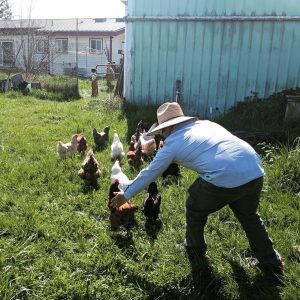 Growing Ancestral Roots in Corvallis, Oregon, is a women-led nonprofit community farm growing culturally significant heirloom foods for 88 immigrant and refugee families—varieties like Oaxacan corn, Syrian cucumbers, Molokhia, Chinese bing choy and Mexican herbs like epazote and papalo that families cannot find anywhere else in Benton and Linn County. With a $5,000 grant, the farm will install a comprehensive chicken tunnel (a.k.a. “chunnel”) system throughout their three community gardens. These protected pathways allow chickens to roam year-round, providing natural pest control and soil building without damaging crops or neighboring garden plots. The chunnels aim to increase organic food production by up to 30% while reducing the labor burden on families already working long hours in agricultural jobs.
Growing High Point in High Point, North Carolina
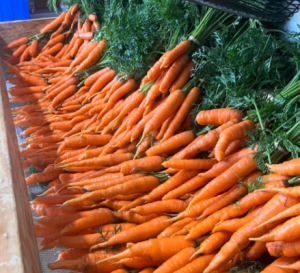 Growing High Point is a nonprofit network in High Point, North Carolina, that transforms underutilized urban land into productive gardens. These sites grow annual vegetables, berries, and herbs for residents living in designated food deserts. With a $2,084 grant, the organization will install drip irrigation across six urban farm sites. Replacing labor-intensive hand-watering with this efficient system will deliver water directly to plant roots, significantly reducing runoff and saving growers roughly eight hours of labor per week.
Hourglass Tree Farms in Shirley, Arkansas
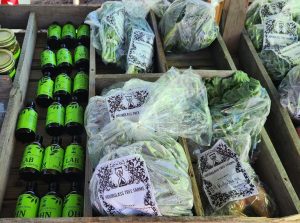
Hourglass Tree Farms in Shirley, Arkansas, uses Korean Natural Farming methods and eliminates synthetic inputs by upcycling local waste into natural soil fertilizers. The farm produces a variety of seasonal vegetables, fruits, and roots. With a $5,000 grant, the team will install a high-efficiency CoolBot walk-in cooler. This infrastructure will allow the farm to shift from a restrictive morning-only harvest to a flexible schedule by immediately chilling crops to preserve peak nutrition. By stabilizing the “cold chain” from field to market, the project aims to eliminate 25% of the farm’s post-harvest crop loss, ensuring more fresh food reaches local residents.
McGruder Farms LLC in Sawyerville, Alabama

McGruder Farms LLC, in Sawyerville, Alabama, uses organic and regenerative practices to grow specialty crops, including leafy greens, muscadines (native grapes), berries, and medicinal herbs. With a $5,000 grant, the farm will purchase equipment for washing, packing, and freeze-drying its produce. This project will address the challenge of limited storage by converting fresh harvests into shelf-stable products like dried fruits and tea ingredients. By extending the shelf life of its crops from days to months, the farm can reduce waste by an estimated 2,000 to 3,000 pounds annually and provide local food to the community year-round.
Pinebrook Farms LLC in Rice, Virginia
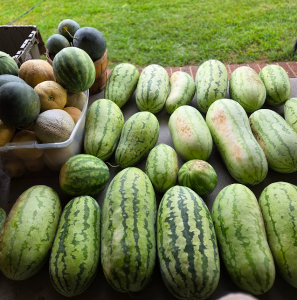 Located in Rice, Virginia, Pinebrook Farms LLC is a hub for biodiversity, producing organic vegetables, hemp, and medicinal herbs like lavender and rosemary. The farm utilizes regenerative, no-till methods to protect its soil health and increase its water efficiency. With a $5,000 grant, Pinebrook will install a solar-powered battery storage system. This upgrade will allow the farm to operate without using the local power grid, ensuring it can still water its crops and keep them temperature-controlled during local power outages.
Pique Earth LLC in Detroit, Michigan
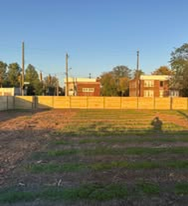 Located in Detroit, Michigan, Pique Earth is an urban farm using chemical-free and organic methods to grow brassicas (plants in the mustard family like broccoli, cabbage, and Brussels sprouts), leafy greens, and mushrooms. After facing significant crop damage from local wildlife, the farm is implementing humane, non-toxic solutions to protect its urban harvests. With a $2,650 grant, the farm will install electric fencing, enclosed compost bins, and solar food dehydrators. These measures will deter pests without the use of poisons, eliminate animal access to compost, and allow the farm to dry drought-tolerant beans for long-term storage, ensuring a more stable and resilient food supply for city residents.
Seminary Hill Farm in Delaware, Ohio
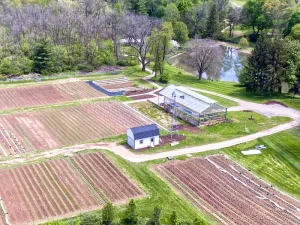 Seminary Hill Farm in Delaware, Ohio, uses agroecology to produce a diverse range of vegetables, flowers, and herbs distributed through a local Community Supported Agriculture (CSA) model and food bank partners. The farm serves as a bridge between urban and rural land, focusing on mindful tillage and biodiversity. With a $2,135 grant, the farm will develop a 0.2-acre food forest to demonstrate how forest-inspired ecosystems can be integrated into small farm production. By intercropping fruit-producing shrubs like elderberries and hazelnuts with native perennial plants, the project will conserve soil, filter water, and provide climate-resilient food for the community.
The Lone Pine Farm in Dover-Foxcroft, Maine
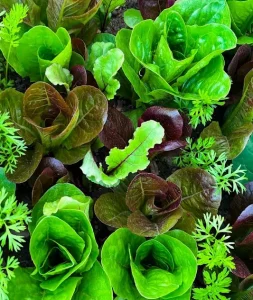 The Lone Pine Farm is a diversified market garden in Dover-Foxcroft, Maine, that utilizes chemical-free and minimal tillage methods to grow high-quality produce for its local community. Facing the challenges of a short New England growing season and high insect pressure, the farm focuses on efficient, sustainable vegetable production. With a $1,999.99 grant, the team will purchase row covers, reusable harvest crates, and a specialized greens bubbler for washing produce. These tools will allow the farm to protect crops from frost and pests without chemicals, extend its production window, and improve food safety and shelf life for the fresh greens it distributes to local markets.
Wassamasaw Tribe Community Farm & Garden in Summerville, South Carolina
 Located on ancestral Wassamasaw land in Summerville, South Carolina, the Wassamasaw Tribe Community Farm & Garden is transitioning its seasonal growing space into a biodiverse, regenerative farm rooted in Indigenous land stewardship. The farm currently produces traditional crops like corn, squash, and beans for community access. With a $5,000 grant, the Tribe will establish a regenerative orchard and pollinator habitat. This project introduces permanent food infrastructure by planting native and climate-adapted fruit trees and shrubs—including persimmon, pawpaw, fig, apple, and blueberry—to improve soil health and support local biodiversity for generations to come.
WaterGirl Farm in Lincoln, Delaware
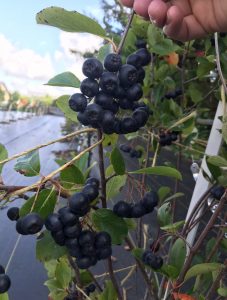 WaterGirl Farm in Lincoln, Delaware, is a regenerative and organic-practicing farm producing a wide variety of berries, herbs, flowers, and pastured meats. The team emphasizes soil health and closed-loop systems, such as returning composted materials to their organic fields. With a $5,000 grant, the farm will install a 1,100-square-foot concrete pad inside its primary barn, which currently has a dirt floor. This upgrade will create a sanitary and durable workspace for extracting honey, processing berries, and maintaining farm machinery. By moving operations onto a clean, washable surface, the farm will improve food safety, extend the life of its equipment, and provide a safe environment for hosting community harvesting demonstrations.
Subscribe to Get Grantee Project Updates!
We’re excited to see our 2026 grantees kick off their projects. They’ll keep us updated regularly with informal progress reports and submit formal reports in August 2026 and January 2027. We can’t wait to see their projects take shape and hear about the positive changes they’re making on their farms and in their communities. To keep up with our 2026 farm grantees throughout the year, sign up for our newsletter!