As the 2025 grant cycle concludes, we’re proud to share final updates from The FruitGuys Community Fund’s 2025 farm grantees—small but mighty farms and food-growing organizations putting sustainability into action across the country. This year’s projects focused on everything from soil health and water conservation to community access, volunteer engagement, and long-term infrastructure. The results reflect both the ideals and realities of farming: adaptability, resilience, and deep care for land and people.
Back in August 2025, we shared mid-year updates from our grantees highlighting their early momentum and lessons learned. Since then, their projects have fully unfolded. These latest reports share what worked, what shifted, and what’s been set in motion for seasons to come. Let’s explore the outcomes of each grantee’s project and the tangible impact of their efforts on communities and ecosystems alike.
Use the links in the list of farm grantees below to jump directly to their featured updates.
- Aspen Ridge Farms in Caldwell, Idaho
- Beacon Food Forest Gardens in Clearwater, Florida
- Blessed Up Blooms in Atlanta, Georgia
- Chelsea Community Garden in Chelsea, Massachusetts
- Common Vision – Prescott Farm in Oakland, California
- Dandelion Forest Farm in Nottingham, New Hampshire
- Diddly Squat Farming in Brandywine, Maryland
- Gardopia Gardens in San Antonio, Texas
- Liberation Farms in Wales, Maine
- Living Hope Farm in Harleysville, Pennsylvania
- Mother Carr’s Farm in Lynwood, Illinois
- Namuna Farm in Kent, Washington (final report pending)
- Old School Farm in Nashville, Tennessee
- Quetzalcoatl Temple in Arenas Valley, New Mexico
- The Farm at The Beth in Chattanooga, Tennessee
- The Laurels Farm in Sandown, New Hampshire
- The Refugee Collective Farm in Elgin, Texas
- Thimbleberry Collaborative Farm in Boring, Oregon
- Tidal Rhythm Organic Farm in Belle Haven, Virginia (project deadline extended)
- Ubuntu Family Farm in Kent, Washington
- Uhuru Farms in Hopkins, South Carolina
Aspen Ridge Farms – Caldwell, Idaho
 Grant Award: $5,000
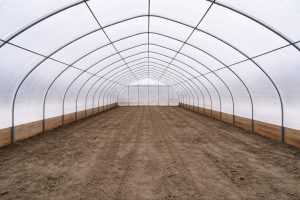
Project: Build a 20′ × 60′ high tunnel greenhouse to extend the growing season, regulate temperatures, and protect heirloom crops from frost.
Outcome: Aspen Ridge Farms successfully completed construction of a 20′ × 60′ high tunnel greenhouse, achieving the project’s primary goal of creating a durable, climate-controlled growing space. The structure, which includes securely installed ground posts, a fully assembled frame, and properly fitted covering, is oriented for optimal sun exposure and ready for immediate use to improve crop reliability and expand local food production.
Despite weather challenges and the labor-intensive nature of the build, the project was completed on time and within budget. The new high tunnel strengthens the farm’s resilience by extending the growing season and protecting heirloom crops from frost. These benefits lay a strong foundation for increased yields and long-term sustainability.
Beacon Food Forest Gardens – Clearwater, Florida
 Grant Award: $4,456
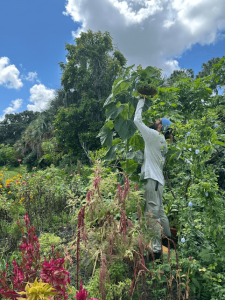
Project: Revitalize a neglected area by planting thirty-two fruit trees, perennial companion plants, and pollinator-friendly annuals.
Outcome: What began as an overgrown, underused space is now flourishing into a vibrant community food forest. With grant support, the team planted all thirty-two fruit trees and more than 100 perennial plants, added pollinator habitat, and cleared new areas for future expansion. This project laid the groundwork for increased food production, biodiversity, and long-term sustainability.
Beacon Food Forest Gardens’ project also fostered community connection. More than 100 volunteers joined the effort, supported by a new partnership with Eckerd College and a community event welcoming refugee families. While an aging irrigation system has temporarily limited expansion beyond the grant-funded plantings, the garden continues to cultivate resilience, education, and belonging—demonstrating how restored land can nourish both ecosystems and community.
Blessed Up Blooms – Atlanta, Georgia
 Grant Award: $4,975
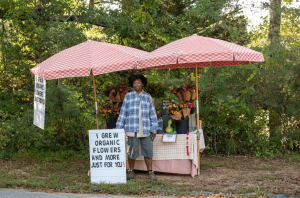
Project: Plant native Rabbiteye blueberries on a one-acre certified organic farm to diversify production, improve soil health, and strengthen ecological practices.
Outcome: Blessed Up Blooms is laying the foundation for long-term fruit production by preparing planting areas with biodegradable mulch and wood chips to protect the soil, retain moisture, and suppress weeds. The farm has secured its Rabbiteye blueberry plants and they’re staged for late-winter planting. This marks an important step in diversifying the farm beyond cut flowers while strengthening its regenerative growing practices.
The investment also supports future harvests, enhances on-farm biodiversity, and builds economic resilience by helping the farm expand into perennial fruit production. It’s well-positioned for productive yields and ecological benefits in the years ahead.
Chelsea Community Garden – Chelsea, Massachusetts
 Grant Award: $5,000
Project: Purchase raised bed kits and compost/loam to renovate the 0.06-acre urban farm, increasing accessibility, productivity, and sustainability.
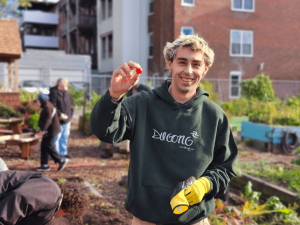
Outcome: With grant support, the Chelsea Community Garden, one of the city’s longest-standing green spaces, is being transformed into a fully accessible and revitalized urban farm. Volunteers dismantled deteriorating beds, leveled and prepared the site, installed weed barriers and gravel, and began assembling new raised bed kits. Despite weather delays and equipment challenges, the project remains on track for spring planting, with fresh soil and compost ready to support a more productive and sustainable growing season.
This renovation expands equitable access to fresh food and gardening for Chelsea residents, particularly older adults, people with disabilities, and those with mobility challenges. Led by GreenRoots’ Food Justice team and shaped by community input, the renewed garden will serve as an inclusive hub for nutrition, connection, and food justice, ensuring the space reflects and supports the needs of the neighborhood it nourishes.
Common Vision – Prescott Farm – Oakland, California
 Grant Award: $5,000
Project: Create a “Regeneration Station”: worm farm, chickens, and a hoop house for plant propagation/urban agriculture education.
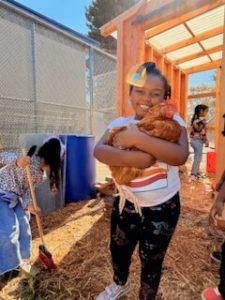
Outcome: At Prescott Elementary School in West Oakland, Common Vision’s “Regeneration Station” is transforming a schoolyard into a living model of climate resilience and urban agriculture. The project installed a water catchment system on a new chicken coop and planted twenty trees, which will provide critical shade and air-quality buffers in a neighborhood heavily impacted by industrial pollution and extreme heat. Together, these improvements support hands-on learning while advancing sustainability in one of Oakland’s most environmentally burdened communities.
The project’s success sparked overwhelming participation from students and families and drew the attention of the school district, which has now committed to partnering with Common Vision on a major green schoolyard investment. What began as a grant-funded initiative is catalyzing long-term expansion of community growing space, outdoor classrooms, and future tree plantings, demonstrating how youth-centered environmental stewardship can drive systemic change.
Dandelion Forest Farm – Nottingham, New Hampshire
 Grant Award: $4,971
Project: Purchase a commercial leaf shredder to produce mulch that supports agroforestry, regenerative practices, soil health, erosion control, and water retention.
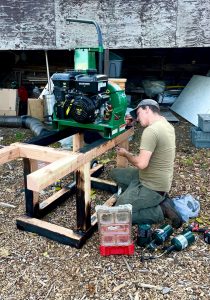
Outcome: With grant support, Dandelion Forest Farm acquired a commercial leaf mulcher that has transformed its ability to manage organic matter at scale. This fall, the team processed approximately eighty cubic yards of locally sourced leaves and applied them across its farm beds, dramatically expanding soil-building capacity. What was once too labor-intensive is now a core regenerative practice that insulates the soil through the winter, suppresses weeds, retains moisture, and feeds crops as the mulch breaks down.
By turning an abundant local resource into a powerful soil amendment, the farm is strengthening long-term fertility while reducing waste and labor strain. The investment not only improves sustainability and climate resilience but also enables the farm to grow food more efficiently for the communities it serves.
Diddly Squat Farming – Brandywine, Maryland
 Grant Award: $3,221
Project: Purchase a commercial dehydrator and screens to support value-added herbal products and biological pesticide production, improving on-farm processing and pest management.
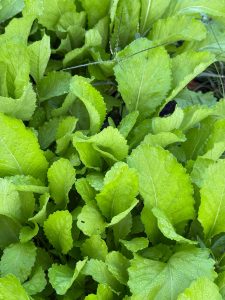
Outcome: During a season marked by intense heat and dry conditions, Diddly Squat Farming relied on adaptive practices to protect crop health and maintain production. Strategic pest management and consistent use of drip irrigation enabled the farm to sustain brassica crops while conserving water and safeguarding soil vitality under challenging climate conditions.
The investment in processing capacity supports the farm’s long-term resilience by enabling value-added herbal products and biological pest control solutions. Together, these efforts strengthen the farm’s ability to respond to climate pressures, diversify its revenue streams, and help it maintain healthy, productive growing systems.
Gardopia Gardens – San Antonio, Texas
 Grant Award: $5,000
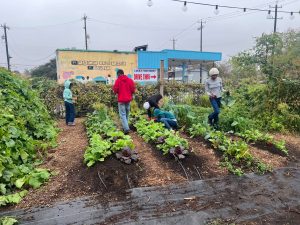
Project: Expand a “Community Resilience Tool Library” of compost tumblers, soil testers, and drip irrigation kits for schools, community gardens, and urban farmers in underserved neighborhoods.
Outcome: Gardopia Gardens’ Community Resilience Tool Library is equipping underserved neighborhoods with the shared resources they need to grow food and climate resilience. By providing compost tumblers, soil testers, and drip irrigation kits to schools, community gardens, and urban farmers, the initiative has streamlined farm operations and strengthened school-based programming. That in turn has made it easier for communities to participate in hands-on food production and environmental stewardship.
The tool library has expanded volunteer capacity, improved efficiency during workdays, and enabled Gardopia to support multiple programs at once. By reducing barriers to participation and building durable, shared infrastructure, the project is creating lasting impact well beyond the grant period—demonstrating how access to the right tools can unlock community power and long-term sustainability.
Liberation Farms – Wales, Maine
 Grant Award: $4,965
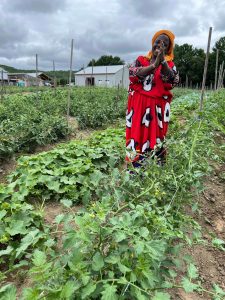
Project: Support soil fertility, pest control, water conservation, efficient harvesting, and pollinator habitat through purchases of landscape fabric, cover crop seeds, row covers, wheelbarrows, drip tape, trellising twine, harvest bins, and perennial herbs.
Outcome: At Liberation Farms, regenerative practices are strengthening both the land and the community that stewards it. Grant funds supported straw mulching for garlic beds, rye cover cropping, and seed saving—practices that protect soil, conserve moisture, suppress weeds, and prevent winter erosion across the fifty-acre cooperative farm. These efforts are building long-term fertility while improving harvest efficiency and climate resilience.
Just as important, farmers are gaining hands-on knowledge in soil health and sustainable growing methods. By saving garlic seed, applying mulch, and broadcasting cover crops, community members are deepening their leadership and agricultural skills. As one farmer shared, they are “building fertility and knowledge at the same time.” That’s truly a testament to how regenerative farming can cultivate both healthy ecosystems and empowered growers.
Living Hope Farm – Harleysville, Pennsylvania
 Grant Award: $4,865
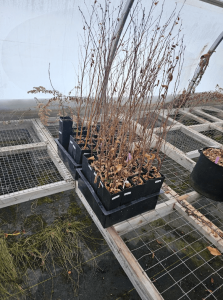
Project: Establish a 200′ × 20′ edible perennial polyculture of fruit trees, berry bushes, and edible understory to serve as a windbreak and pollinator habitat for community-supported agriculture (CSA) families.
Outcome: Living Hope Farm laid the groundwork for a resilient permaculture system by securing a diverse mix of trees, shrubs, and perennial plantings that will form a productive windbreak and pollinator corridor. Although installation timelines shifted due to staffing and equipment delays, the expanded plant selection is expected to increase long-term ecological and food production benefits for the farm and its CSA community.
A volunteer workday is planned for March 2026 to prepare no-till beds ahead of spring planting, ensuring the project moves forward with strong community involvement. Once established, the edible polyculture will enhance biodiversity, protect crops from wind, and provide lasting habitat and nourishment for pollinators and families alike.
Mother Carr’s Farm – Lynwood, Illinois
 Grant Award: $5,000
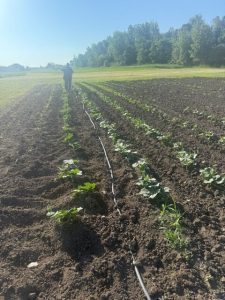
Project: Install a drip irrigation system (with pump and filter) on a three-acre farm to improve water efficiency, reduce labor, and support soil and crop productivity for produce distribution, an internship program, and donations.
Outcome: Mother Carr’s Farm piloted drip irrigation to reduce physical strain on its team while improving water conservation and crop consistency. The system laid the groundwork for expanded irrigation in future growing seasons. It also reduced the physical toll on the team while conserving water.
Old School Farm – Nashville, Tennessee
 Grant Award: $5,000
Project: Expand growing capacity and post-harvest infrastructure to strengthen food security for CSA members and increase produce donations to local food pantries.
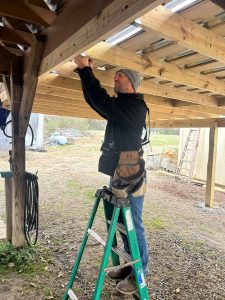
Outcome: Old School Farm completed a pack shed expansion that significantly improves post-harvest handling and community use of the farm. The farmers on staff worked together to set poles and extend the roof, creating a shaded, functional space where freshly harvested produce can be quickly cooled, processed, and packaged for delivery to local food pantries. The improved infrastructure enhances food safety and efficiency while supporting the farm’s commitment to feeding its community.
Beyond post-harvest benefits, the expanded pack shed provides a welcoming, shaded gathering space for volunteers, visitors, and events during warmer months. This investment strengthens the farm’s capacity to serve CSA members, increase donations, and foster community connection around fresh, locally grown food.
Quetzalcoatl Temple – Arenas Valley, New Mexico
 Grant Award: $2,995
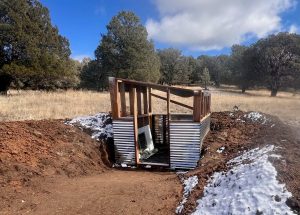
Project: Construct a walipini (a sunken passive solar greenhouse) to support year-round cultivation of heirloom vegetables, medicinal plants, and Ayurvedic herbs.
Outcome: Quetzalcoatl Temple has completed construction of its walipini, creating a climate-stable growing environment that will extend the farm’s season and protect sensitive plants from temperature extremes. Beginning in March, the space will be used to start seedlings for on-site production and community plant giveaways, increasing access to culturally significant and medicinal crops.
This investment strengthens the farm’s commitment to regenerative growing and community resilience by enabling consistent, year-round cultivation in a region marked by challenging climate conditions.
The Farm at The Beth – Chattanooga, Tennessee
 Grant Award: $4,734
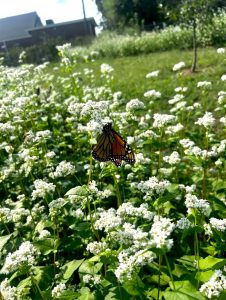
Project: Expand the cut-flower garden, plant perennial berry bushes, establish a honeybee hive, and enhance pollinator habitat.
Outcome: The Farm at The Beth strengthened its growing systems and deepened community engagement through investments in drip irrigation, trellising, cover crops, and pollinator habitat. These improvements have increased water efficiency, protected soil, reduced erosion, and boosted plant health and yields. The farm also harvested honey from its hives, creating a value-added product while introducing Garden Club youth to the experience of tasting fresh, local honey for the first time.
Nearly all grant-funded materials represent lasting infrastructure that will serve the farm for years to come, supporting both ecological resilience and financial sustainability while enabling the continued distribution of free, fresh food to the community. Although weather, staffing capacity, and the balance of production and access slowed some activities, the project remains firmly on track and has laid critical groundwork for future seasons.
The Laurels Farm – Sandown, New Hampshire
 Grant Award: $4,118
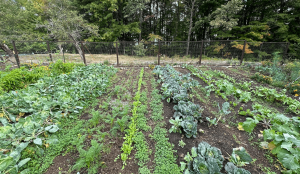
Project: Upgrade propagation and bed preparation tools—including a soil blocker, seeder kit, tilther, and compost—to improve seedling quality and productivity for a two-person farm team.
Outcome: The Laurels Farm has strengthened its production systems through strategic tool upgrades that improve efficiency and seedling quality. With the new soil blocker and seeding tools, the team can complete in a single afternoon what once took an entire day, allowing them to start the 2026 season with greater capacity and less physical strain.
These improvements support the farm’s long-term viability by streamlining operations, enhancing crop consistency, and increasing fresh food access for the surrounding community. Investing in durable, high-impact tools has built a more resilient and sustainable foundation for this small, dedicated farm team.
The Refugee Collective Farm – Elgin, Texas
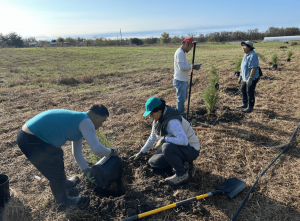 Grant Award: $5,000
Project: Install drip irrigation and establish an evergreen windbreak of Italian cypress, juniper, and sumac to protect crops, promote biodiversity, and improve access to culturally significant produce for refugee communities.
Outcome: The Refugee Collective Farm brought farmers, volunteers, and community members together for planting days to establish a living windbreak designed to shield crops from harsh weather and improve growing conditions over time. Paired with drip irrigation, these systems support water efficiency, soil health, and long-term climate resilience in Central Texas’s challenging conditions.
Beyond infrastructure, the project fostered hands-on stewardship and strengthened community ties by engaging refugee growers in building a more stable and productive farm landscape. The windbreak will protect crops and enhance biodiversity for years to come, supporting culturally significant food production and greater food security.
Thimbleberry Collaborative Farm – Boring, Oregon
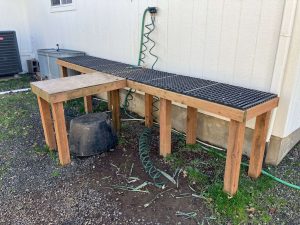 Grant Award: $1,745
Project: Construct a produce wash station and install a propane heater in the propagation house to improve food safety, worker ergonomics, and seedling viability.
Outcome: Thimbleberry Collaborative Farm refined its project scope to address two critical infrastructure needs that directly support both farmworkers and crop success. A new, ergonomically designed produce wash station is making post-harvest handling safer and more efficient, reducing physical strain on the farm team while ensuring cleaner produce for community recipients.
In the propagation house, a newly installed propane heater is protecting young seedlings during freezing winter nights, significantly improving plant survival and strengthening the farm’s capacity for early and consistent production. Together, these practical upgrades enhance food safety, worker wellbeing, and crop resilience, laying the groundwork for a more sustainable and productive growing season.
Ubuntu Family Farm – Kent, Washington
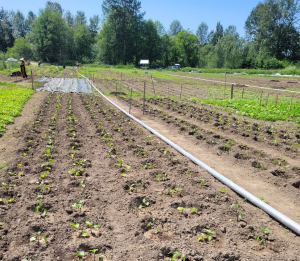 Grant Award: $5,000
Project: Install weed-suppression tarps, trellis systems for heirloom beans and peas, and rainwater catchment with drip irrigation to expand production, improve soil management, and increase organic food access for the community and local food banks.
Outcome: Ubuntu Family Farm worked to strengthen its production systems and expand equitable food access through key infrastructure improvements designed to enhance efficiency and soil stewardship. Although severe flooding washed away the newly purchased tarps, landscape fabrics, and winter crop protections, the farm continues to rebuild and adapt, demonstrating resilience in the face of climate-related challenges.
Despite these setbacks, the project supports long-term capacity to grow and distribute fresh, locally grown food to families and food banks. By investing in sustainable growing practices and rebuilding critical infrastructure, Ubuntu Family Farm is reinforcing its commitment to food justice and community nourishment.
Uhuru Farms – Hopkins, South Carolina
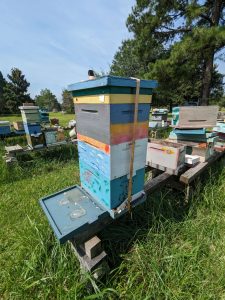 Grant Award: $1,112
Project: Establish a “Pollinator Patio”: a teaching and growing space that supports bees, butterflies, hummingbirds, and other pollinators while educating youth and community members about biodiversity.
Outcome: Uhuru Farms’ Pollinator Patio has become a vibrant hub for biodiversity, education, and community connection. It’s already attracting hummingbirds, Cloudless Sulfur butterflies, Monarch butterflies, and Carpenter bees, while boosting crop yields and providing hands-on learning for local schools, daycares, and seniors. Under the guidance of a master beekeeper, youth participants are gaining practical beekeeping skills and a deeper understanding of ecosystem stewardship.
Beyond production gains, the patio is nurturing food sovereignty and community wellbeing. The calming presence of the hive has fostered confidence, mindfulness, and a stronger connection to nature among participants. As the farm continues to learn and adapt to seasonal bee care, the project stands as a powerful example of growing resilience, knowledge, and purpose together.
Farm Grantee Updates Still to Come
Namuna Farm in Kent, Washington, has not yet submitted its final report. It should be coming soon!
Tidal Rhythm Organic Farm in Belle Haven, Virginia, received a project extension until January 31, 2027 due to a personal hardship. We’re excited to continue following its progress.
Looking Ahead to the 2026 Grant Cycle
Together, these stories capture the heart of the FruitGuys Community Fund: meeting farmers where they are, supporting practical sustainability, and nurturing impact that grows over time. We are deeply grateful to our grantees for their transparency, perseverance, and dedication to cultivating food systems that nourish both land and community.